Grow Up, Not Out: Lush Harvests on the Smallest Balconies
Today we dive into stackable balcony planter systems for tiny apartments, celebrating how vertical, modular containers turn handrails and narrow ledges into generous kitchens of flavor. We’ll cover safe setup, smart plant choices, watering that fits busy lives, and beautiful layouts that respect neighbors. Share photos, ask questions, and tell us what you want to grow next—your story matters, and we’re rooting for your first balcony harvest.

Start With Space, Light, and Load
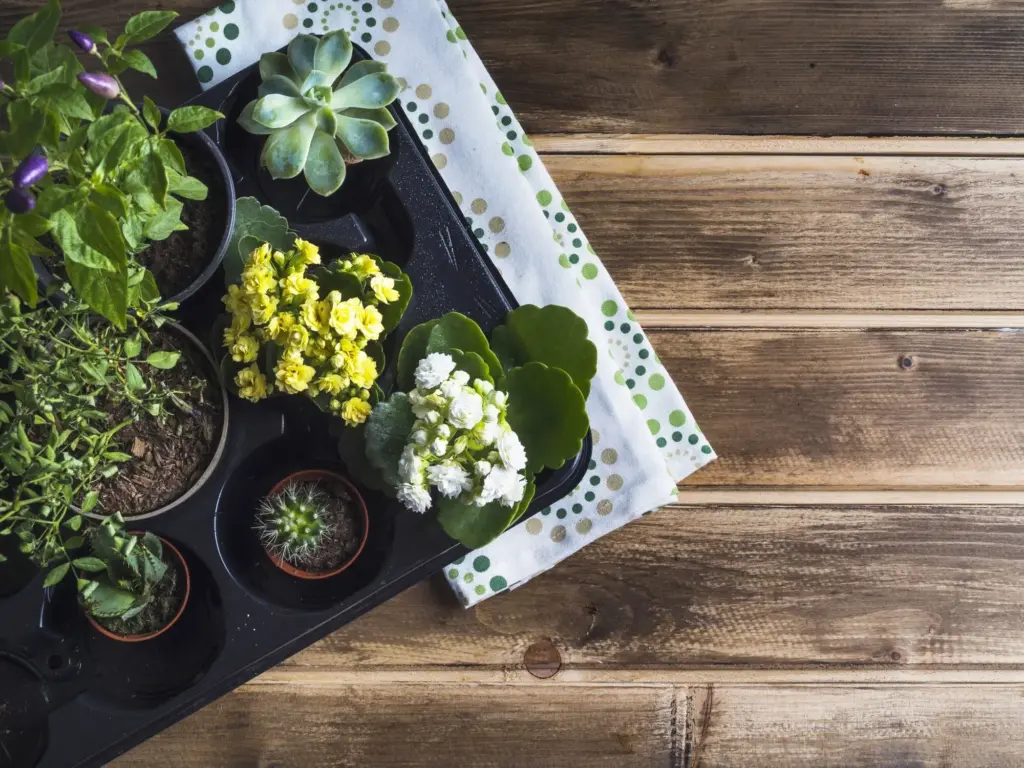
Before stacking anything, understand your balcony’s reality: when and where sunlight lands, how wind funnels between buildings, what weight your structure safely supports, and how water drains without upsetting neighbors below. A few careful measurements and notes now will save money, protect surfaces, and supercharge every plant’s performance throughout rapidly changing urban microclimates.
Modular Towers Versus Nested Trays
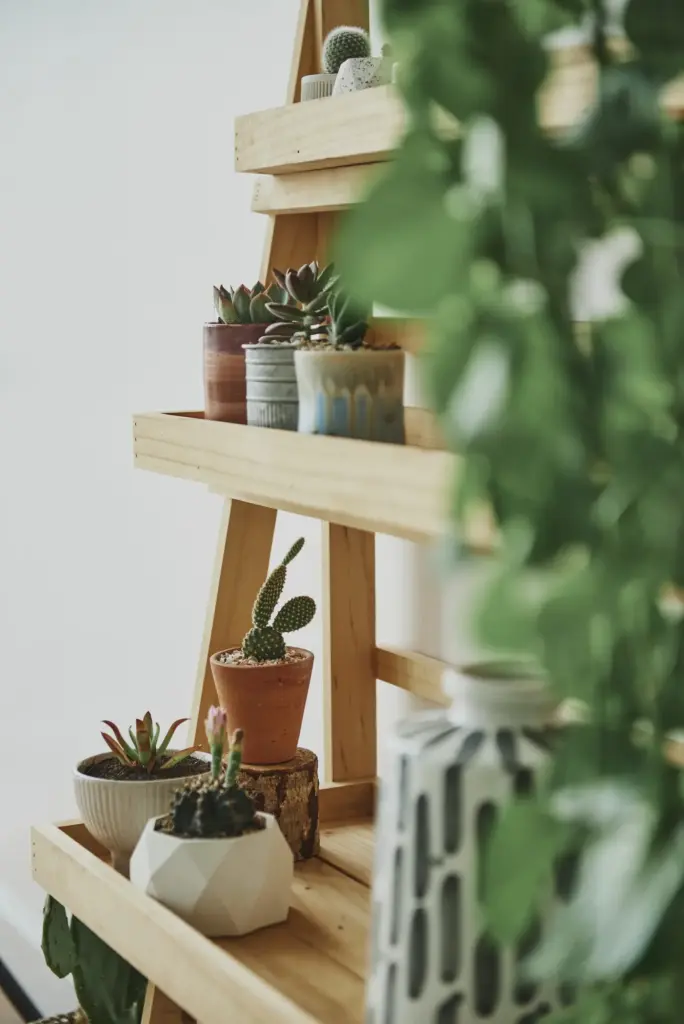
Towers climb vertically with circular tiers and central columns, perfect for maximizing yield per footprint when floor space is precious. Nested trays step like stairs, improving sun exposure and access for pruning. Measure reach distance and railing height; if bending is difficult, choose a tower with swivel tiers. Both styles succeed when matched to your balcony’s quirks.
Self-Watering Reservoirs and Wicks
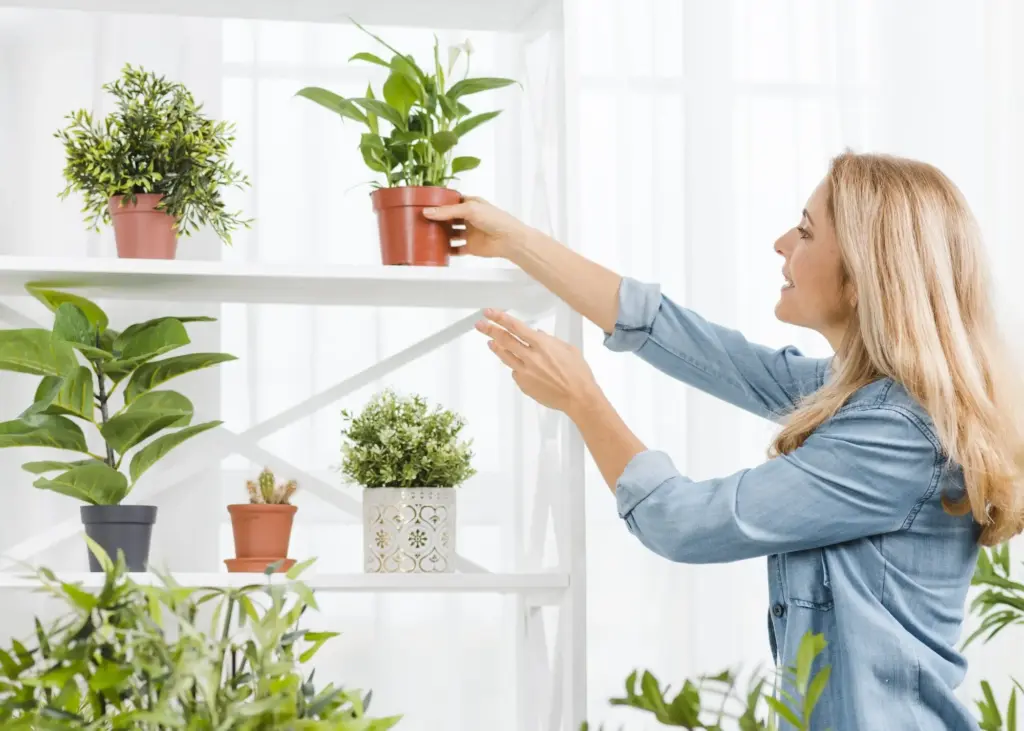
Reservoir bases and capillary wicks buffer busy schedules, keeping roots evenly moist without daily attention. Look for overflow ports to prevent waterlogging during storms, and translucent indicators to signal refills. Combine with airy, lightweight mixes to maintain oxygen. With a weekend fill-up habit, traveling tenants can return to thriving greens rather than wilted disappointments and emergency rescues.
Food-Safe Plastics, Metals, and Wood

Seek BPA-free, UV-stabilized plastics certified for edible use, powder-coated metals that resist rust, or sealed, rot-resistant woods like cedar. Confirm drainage holes are smooth and won’t cut wicks. Lighter materials reduce strain on structures and arms. Avoid reclaimed containers of unknown history for edibles; clarity about composition safeguards both flavor today and long-term health tomorrow.
Smart Plant Choices for Vertical Success
Compact, quick, and forgiving plants shine in stacked systems. Prioritize shallow-rooted varieties, cut-and-come-again greens, cascading herbs, and bush forms bred for containers. Balance your sunlight reality with plant cravings, then stagger maturity dates. This ensures constant harvests, avoids overcrowding, and preserves airflow in tight columns where humidity and shade can sneak up quickly between tiers.
Herbs and Cut-and-Come-Again Greens
Parsley, basil, chives, mint in contained modules, and thyme deliver bold flavor without demanding deep soil. Pair with loose-leaf lettuces, arugula, mizuna, and spinach for repeated snips. Plant taller herbs on top tiers, leafy greens mid-level, and delicate microgreens lower. This arrangement captures light efficiently while simplifying your morning harvest routine before commuting or studying.
Compact Tomatoes, Peppers, and Bush Beans
Choose dwarf cherry tomatoes, patio peppers, and bush beans labeled for containers. Stake discreetly and rotate tiers weekly to balance exposure. Feed lightly but consistently to avoid legginess. Consider a single fruiting plant per upper tier, using neighboring pockets for basil or marigolds. Expect handful harvests, not farm loads, and celebrate concentrated sweetness from sun-warmed balcony air.
Trailers and Pollinator Companions
Strawberries, nasturtiums, and trailing oregano soften edges while inviting beneficial insects. If higher floors limit pollinators, gently tap tomato flowers or use an electric toothbrush to vibrate blooms at midday. Calendula and alyssum add color, nectar, and gentle pest distraction. Diverse edges keep systems lively, resilient, and joyful for you, neighbors, and passing city wildlife alike.
Irrigation Schedules That Fit Your Life
If mornings are hectic, water in the cool evening and refill reservoirs before sunset. Use a squeeze bottle or narrow-spout watering can to reach interior pockets without splashing neighbors. In heatwaves, mist undersides briefly at dawn. Keep a simple calendar reminder, and forgive skipped days; resilience grows from consistency, not rigid perfection or garden guilt.
Lightweight Mixes, Slow-Release, and Compost Tea
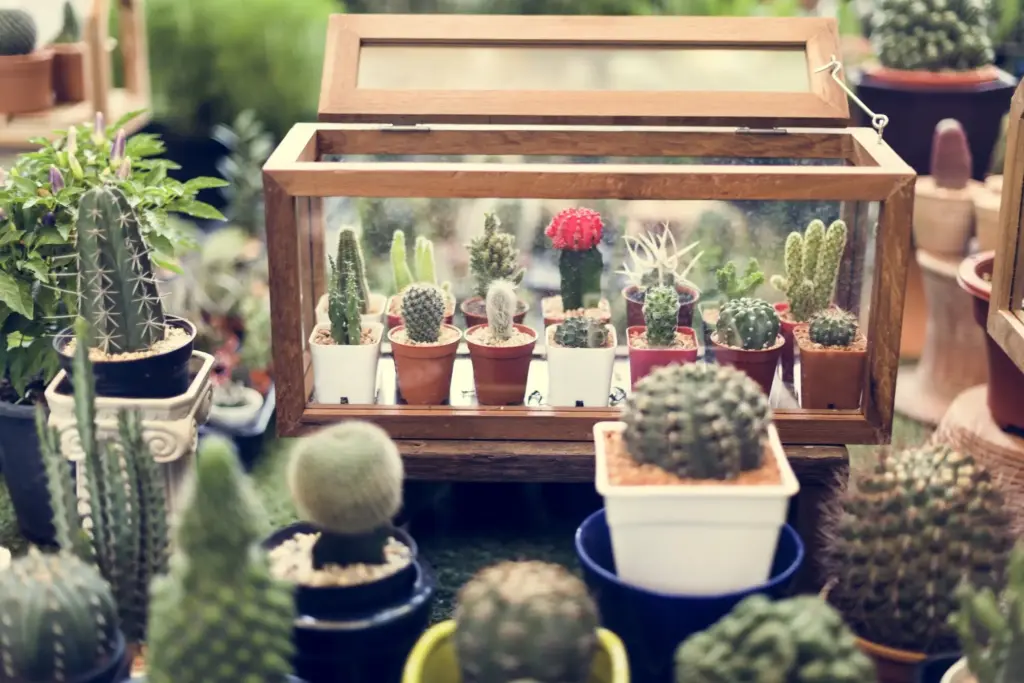
Blend coco coir, screened compost, and perlite for drainage without excessive weight. Mix in organic slow-release pellets to smooth nutrition between feedings, then refresh with diluted compost tea every few weeks. Observe leaf color and growth, adjusting gently. Overfeeding invites pests; steady nutrition builds sturdy stems, fragrant leaves, and delicious resilience within every compact tiered pocket.
Design, Comfort, and Neighbor-Friendly Details
A beautiful stack feels intentional and kind. Align tiers with sightlines from indoors, select harmonious pots, and cushion clatter with pads. Add a foldable stool for comfortable maintenance, and route overflow into trays. Keep aisles safe, respect shared spaces, and schedule quiet chores. Good design nourishes you, reduces friction, and turns routines into restorative rituals.


Seasonal Rhythm and Community Harvest
Balcony gardens pulse with the calendar. Prep and plant in spring, shade roots and harvest heavily in summer, then refresh mixes and sow cool crops in fall. Winter invites microgreens indoors and planning next stacks. Share progress, swap cuttings, and celebrate firsts together; community multiplies confidence, knowledge, and balcony joy beyond any square footage limit.
All Rights Reserved.